Externally Funded Research
Project Title: Novel Nanotechnology Approaches to Indigenous Wastewater Treatment for a Cleaner and Climate-Resilient Future
The main objective of this partnership is to develop and implement “Novel Nanotechnology Approaches to Indigenous Wastewater Treatment for a Cleaner and Climate-Resilient Future.” This project aims to leverage advanced nanotechnology to treat wastewater, addressing both environmental and public health challenges while contributing to a more sustainable and climate-resilient future. This project represents the first of its kind in the country to effectively address wastewater treatment through the application of nanotechnology. The initiative aligns with several United Nations Sustainable Development Goals (SDGs), including: SDG 6: Clean Water and Sanitation, SDG 9: Industry, Innovation, and Infrastructure, and SDG 13: Climate Action.
Research Group: Nano-Chemistry
Research Lab: Biochemistry Research Lab
About
The Institutional Review Board (IRB) is a governing body established to protect the rights and welfare of human research subjects recruited to participate in research activities conducted under the auspices of the institution with which it is affiliated.
The IRB is in charge of reviewing all research involving human participants (whether funded or not) prior to its start. The IRB is concerned with safeguarding human subjects’ welfare, rights, and privacy. The IRB has the authority to approve, disapprove, monitor, and require changes in all research activities that fall under its jurisdiction, as defined by federal regulations and institutional policy.
Ethical Institutional Review Board
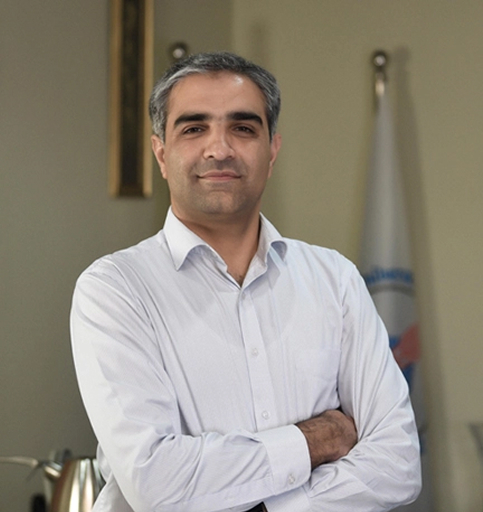
Dr Hammad Naveed
Pro-Rector UCP — Chair
Prof Dr Muhammad Akhyar Farrukh
Director Research — Secretary/Coordinator
Dr Hafiza Rizwana Kausar
Dean FOST — Co-Chair
Dr Hajra Saleem
External Member — Evercare Hospital
Project Title: Novel Nanotechnology Approaches to Indigenous Wastewater Treatment for a Cleaner and Climate-Resilient Future
The main objective of this partnership is to develop and implement “Novel Nanotechnology Approaches to Indigenous Wastewater Treatment for a Cleaner and Climate-Resilient Future.”
This project aims to leverage advanced nanotechnology to treat wastewater, addressing both environmental and public health challenges while contributing to a more sustainable and climate-resilient future.
This project represents the first of its kind in the country to effectively address wastewater treatment through the application of nanotechnology.
The initiative aligns with several United Nations Sustainable Development Goals (SDGs), including:
SDG 6: Clean Water and Sanitation, SDG 9: Industry, Innovation, and Infrastructure, and SDG 13: Climate Action.
Faculty Member Prof. Dr. Muhammad Akhyar Farrukh
Faculty FOST
Funding Agency UCP & WCSP
Funding Period 2024-2026
Total Amount 1,073,000 PKRs
Status On going
Research Group: Nano-Chemistry
Research Lab: Biochemistry Research Lab
Project Title: Advanced Level CanSATs for STEM Education, Space Exploration, Agriculture, Disaster Management, Climate and Environmental Research and Experimentation
The project focuses on the design and development of student satellites along with a dedicated ground station, aiming to engage students at school, college, and university levels. It encompasses the creation of a student satellite launch platform and the advancement of high-level student satellite for diverse applications, including agriculture, climate control, remote sensing, weather monitoring, disaster management, and space exploration. To support satellite launches and recovery, a reusable, solid-fueled, single-stage model rocket equipped with an integrated recovery system is also being developed.
Faculty Member Dr. M. Kamran Saleem Associate Professor
Faculty
Funding Agency Ministry of Planning Development and Special Initiatives, Pakistan
Funding Period
Total Amount 7.6 Million
Status On going
Web link: https://sites.google.com/view/space4all/home
Research Group: Space Research
Research Lab: Space Research Center (SRC-UCP)
Project Title: Design and Development of Ultra-Wide Band (UWB) Antenna Array for Space Applications
This project adopts a systematic research methodology that integrates simulation, optimization, and performance evaluation to design high-performance Ultrawide Band Antennas (UWB) antennas and antenna arrays. The outcomes will be benchmarked against existing UWB antenna array models to establish best practices and design guidelines for antenna arrays for space applications.
Faculty Member Dr. M. Kamran Saleem Associate Professor
Faculty
Funding Agency
Funding Period
Total Amount
Status On going
Web link: https://sites.google.com/view/space4all/home
Research Group: Space Research
Research Lab: Space Research Center (SRC-UCP)
Project Title: Advanced Level CanSATs for STEM Education, Space Exploration, Agriculture, Disaster Management, Climate, and Environmental Research and Experimentation
In a significant stride towards advancing engineering and technology through space research and education, the Space Research Center at the University of Central Punjab (SRC-UCP) has reason to celebrate. The Ministry of Planning, Development, and Special Initiatives in Pakistan has given its resounding approval for SRC-UCP’s ambitious research project on “CanSAT Student Satellite and Rocketry.” The approved grant is 7.6 million for the design and development of CanSats (Student Satellites) for school, college, and university-level students.
Dr. M. Kamran Saleem, who is leading the Space Research Center at the University of Central Punjab, will be the principal investigator of the project. The CanSAT initiative aims to offer educators and students a useful and engaging learning environment. This interdisciplinary project includes components on project management, sensors and data acquisition, microcontroller programming, telemetry, communication, and satellite architecture. The in-house designed and developed CanSATs will be launched for specific assignments as the project concludes.
Faculty Member Dr. Muhammad Kamran Saleem
Faculty
Funding Agency
Funding Period
Total Amount
Status On going
Web link: https://www.youtube.com/watch?v=SQSG_3GoAG8
https://spaceedu4all.blogspot.com/2023/06/research-funding-from-ministry-of.html
Research Group: Space Research (FOE – EED)
Research Lab: Space Research Center (https://sites.google.com/view/space4all/home)
Project Title: Air pollution monitoring of PM2.5 in Lahore to investigate the cause of smog and its effects on health
UCP takes great pride in informing that the Faculty of Science and Technology has signed an MoU with the Department of Environmental Health Sciences, School of Public Health, University at Albany, State University of New York, USA.
In light of this memorandum of understanding, both parties will be conducting joint research on “Air pollution monitoring of PM2.5 in Lahore to investigate the cause of smog and its effects on health”. The cost of the project is Rs. 4.21 M.
Lahore is one of the major cities of Pakistan, having high levels of air pollutants and adverse effects on health. However, the lack of reliable data on air quality and cause-specific morbidity and mortality remains a significant impediment to conducting such studies in major cities of the country. Air pollution in major cities of Pakistan comes from many different sources like significant stationary sources – industries, power plants, smelters, brick kilns; Combustion – coal, burning refuse (garbage and biomass); and Mobile sources such as vehicular traffic. Pakistan’s economy bears considerable costs of poor air quality. Direct costs could include infant mortality, debilitating diseases (cancer, CVD, asthma, and bronchitis), and acute morbidities\ (obesity, mental illness, and cognitive dysfunction. Indirect costs could include lower labour supply and productivity, higher incidence of violent crime, migration of skilled labour, volatility in the financial sector, and absence of school children and workers. Dr. Muhammad Akhyar Farrukh will conduct this collaborative research project on air pollution monitoring, representing FOST-UCP, while the University at Albany, USA, will be represented by Dr. Haider A. Khwaja. Dean Fost, Dr. Hafiza Rizwana Kausar thoroughly appreciated the principal investigators. She believes this project will also help FOST research students to learn advanced techniques used in air sample collection and analysis of air pollutants. Dr. Nassar Ikram, Pro-Rector of UCP, congratulated the team and said the project would benefit society at large, and the project’s outcomes would be conveyed to the government to take appropriate measures.
Faculty Member Prof. Dr. Muhammad Akhyar Farrukh
Faculty
Funding Agency
Funding Period
Total Amount
Status On going
Research Group: Nano-Chemistry
Research Lab: Sampling site is Security Check post Building B
Project Title: Application of spectral process manufacturing analysis technology in intelligent manufacturing
Prof. Dr. Muhammad Akhyar Farrukh from the Faculty of Science and Technology has won a research project worth Rs 7.4 Million under the Joint Scientific Exchange Program between Pakistan Science Foundation (PSF) and National Natural Science Foundation of China (NSFC). The project titled “Application of spectral process manufacturing analysis technology in intelligent manufacturing” would be joint research between UCP and Shandong University of Science and Technology, China.
Prof. Dr. Muhammad Akhyar Farrukh is one of the leading researchers at UCP who is acclaimed internationally. Dr. Hafiza Rizwana Kausar, Dean Faculty of Science and Technology appreciated Prof. Dr. Muhammad Akhyar Farrukh, for winning the research project through a competitive process, assuring her full support in its execution. Dr. Nassar Ikram, UCP’s Pro-Rector congratulated the Dean and Dr Farrukh team for securing the project which would enable UCP in advancing research, international linkages, and collaborations aimed to create societal impact.
Faculty Member Prof. Dr. Muhammad Akhyar Farrukh
Faculty
Funding Agency
Funding Period
Total Amount
Status On going
Web link: https://ucp.edu.pk/announcement/ucp-researcher-wins-international-research-project/
Web link: https://ucp.edu.pk/announcement/china-visit-under-psf-nsfc-project/
Research Group: Nano-Chemistry
Research Lab: UCP and Shandong University of Science and Technology
Project Title: Natural essential oil loaded nanoparticles (nanoemulsion) incorporated in poultry feed as alternative to antibioitics
A team of scientists from University of Central Punjab (UCP), GC University Lahore, UVAS Pattoki with the industrial partner has won project titled Indigenous Technology Development worth Rs 6.639 M under Pakistan Science Foundation – PSF’s Competitive Research Programme on Triple Helix Model. Dr. Muhammad Akhyar Farrukh, Professor of Chemistry at UCP is the Co-Principal Investigator, while Principal Investigator is Prof. Dr. Ikram ul Haq, Professor Emeritus/ Distinguished National Professor from GC University Lahore. Other Co-PIs are Prof. Dr. Saima Ahad from UVAS, Pattoki and Dr. Ali Nawaz from GC University Lahore
The use of antibiotics in poultry feed has been an increasing concern which affects birds’ growth. The scientific team has therefore, pooled up their resources and intelligentsia to find alternate ways. Accordingly, objective of the project is to find alternative means replacing the existing antibiotics with the natural resources including plant extracts/essential oils. The project will help to reduce the use of antibiotics by up to five times per 1 KG of the bird weight to get the similar result. Dr. Hafiza Rizwana Kausar, Dean, Faculty of Science and Technology congratulated the team of the project, especially Prof. Dr. Muhammad Akhyar Farrukh, Co-Principal Investigator of the project from UCP. She highlighted that Faculty of Science and Technology is taking initiatives to connect the Sustainable Development Goals (SDGs) with research projects as well as taught courses offered at FOST. This project will help us in achieving the goals. Dr. Nassar Ikram, Pro-Rector of UCP congratulated the team for undertaking applied research project under collaboration with other Universities. He appreciated the team for their resolve to address the problems of local industry to create societal impact and contribute towards SDGs. He advised the team to complete the project within the stipulated period.
Faculty Member Prof. Dr. Muhammad Akhyar Farrukh
Faculty
Funding Agency
Funding Period
Total Amount
Status On going
Research Group: Nano-Chemistry
Research Lab: Biochemistry Lab and GCUL
Project Title: Establishment of Nano-Materials Fabrication Lab under the National Center for Nanoscience and Nanotechnology (NCNN)
Prof. Dr. Muhammad Akhyar Farrukh, Faculty of Science and Technology, is the principal investigator of Nano-Materials Fabrication Lab, one of the affiliated labs to be established under the National Center for Nanoscience and Nanotechnology (NCNN).
The Central Development Working Party (CDWP), Planning Commission, Government of Pakistan has approved the PC-1 project titled “Establishment of National Center for Nanoscience and Nanotechnology (NCNN)” with a total cost of Rs. 3325.598 million. NCNN is a collective effort of 11 partner institutions including the University of Central Punjab (UCP) across the country with the significant objectives to pave the way for advancements in the field of nanoscience and nanotechnology in Pakistan. It was inaugurated on August 01, 2023.
Its objectives are to fabricate a large-scale supply of high-quality nanomaterials in Pakistan to meet the local demand (academia and industry) for their applications in Agriculture, Cosmetics, Food, Textile, Chemical Industry, Medicines/Health, Environment, Construction, Polymer, Energy, Petrochemical, etc. It catalogues and establishes an inventory of locally sourced nanomaterials accessible to all the stakeholders in the country.
The Nano-Materials Fabrication Lab will help in import substitution, capacity building with hiring of Research Associates, Research Assistants, fellowships to PhD/MS students and particularly to achieve the SDGs of Goal 3: Good Health and Well-Being for People, Goal 6: Clean Water and Sanitation, Goal 9: Industry, Innovation, and Infrastructure, and Goal 13: Climate Action.
Faculty Member Prof. Dr. Muhammad Akhyar Farrukh
Faculty
Funding Agency
Funding Period
Total Amount
Status Ongoing
Project Title: Implementation of Computationally Efficient Numerical Approach to Analyze a Covid-19 Pandemic Model
Coronavirus disease (Covid-19), which has caused frustration across the human community, remains a major global concern as governments continue to struggle against the pandemic.
To address this challenge, we extensively studied a Covid-19 model to provide deep insight into the disease dynamics.
A mathematical analysis of the model, utilizing preventive measures, was performed to reduce the disease burden.
Several comprehensive mathematical techniques were applied to demonstrate essential properties of the solutions.
We proved the existence and uniqueness of solutions, identified equilibrium points (both in the absence and presence of the pandemic), and computed the threshold parameter to predict future disease dynamics.
The model’s stability was verified at equilibrium points under necessary conditions on the threshold parameter.
A reliable and competitive numerical analysis was conducted to assess the effectiveness of implemented strategies and verify analytical results.
Sensitivity analysis identified the most influential parameters.
A key feature of this study was employing the Non-Standard Finite Difference (NSFD) numerical scheme instead of traditional methods like the fourth-order Runge–Kutta method (RK4).
Numerical simulations validated the theoretical analysis, revealing that quarantine of exposed individuals and other strategies substantially reduce the diseased population and help achieve herd immunity.
Faculty Member: Dr. Muhammad Rafiq (Professor / COPI)
Faculty:
Funding Agency:
Funding Period:
Total Amount:
Status:
Web Link: N/A
Research Group: N/A
Research Lab: N/A
Project Title: PAK-UK Education Gateway Mobility Partnership Grant For Students
In this project, the University of Central Punjab (UCP), Pakistan, and the University of Central Lancashire (UCLan), UK will carry out a student exchange program.
One faculty member from both universities will also accompany the students.
MPhil and PhD students of FMMC at UCP will gain exposure to Western culture and advanced research techniques through workshops and interaction with electronic media journalists at UCLan, UK.
UCLan students will have the opportunity to learn about Pakistani culture, religion, and marginalized groups, interacting with Pakistani experts and practitioners to develop a deeper understanding of the issues, their roots, and complexities.
Faculty Member: Dr. Fawad Baig
Faculty:
Funding Agency:
Funding Period:
Total Amount:
Status:
Web Link: British Council Pakistan
Research Group: Media Effects (Group Lead – Dr. Fawad Baig)
Research Lab: Room 401 (B-Building) for 6–7 days, and UCP Auditorium for 2–3 days.
Project Title: Harnessing the Untapped Therapeutic Potential of Phthalazine Scaffold as Small-Molecule Inhibitors of Ectonucleotidases for the Treatment of Diabetic Complications
The major goal of the project is to address the unprecedented productivity challenges in the drug discovery industry for the treatment of diabetic complications.
The proposed project aims to exploit structure-based virtual screening and the synthesis of phthalazine compounds using robust and reliable Suzuki-Miyaura cross-coupling
for the inhibition of ENTPDase-3 and ENPP1 enzymes. This project represents the first example of phthalazine-based inhibitors of both targets,
meeting national healthcare needs while streamlining the production of diabetes therapeutics.
Faculty Member: Dr. Sumera Zaib
Faculty:
Funding Agency:
Funding Period:
Total Amount:
Status:
Web Link: N/A
Research Group: N/A
Research Lab: Biochemistry Lab (BCL-202), UCP Lahore
Project Title: Establishment of National Center of Robotics and Automation, Human-Centered Robotics Lab, UCP
The goal of this lab is to make modern assistive devices, such as exoskeletons, accessible to disabled people
living in countries with severe financial constraints like Pakistan. A major focus area is walking disabilities,
which affect around 1 million people in Pakistan. Several exoskeleton prototypes have been developed and tested
for polio and spinal cord injury patients.
Faculty Member: Dr. Zohaib Aftab
Faculty:
Funding Agency:
Funding Period:
Total Amount:
Status:
Web Link: www.ncra.org.pk
Research Group: Bio Mechatronics
Research Lab: Bio Mechatronics Lab, UCP Lahore
Project Title: Towards Affordable Leg Exoskeleton for Polio Patients
Therapeutic procedures designed for the rehabilitation of polio patients involve the use of orthotic devices.
In Pakistan, several hospitals and rehabilitation centers are providing these services; however, the devices
provided are mostly low-tech, rigid, and non-powered. Natural walking is not possible with these devices,
leading to their eventual abandonment. The goal of this project was to engineer advanced assistive devices aimed
at improving walking function in such patients. The project resulted in the design of a novel knee joint for
knee-ankle-foot orthoses, which has since been tested in a partner hospital.
Faculty Member: Dr. Zohaib Aftab
Faculty:
Funding Agency:
Funding Period:
Total Amount:
Status:
Web link: N/A
Research Group: Bio Mechatronics
Research Lab: Bio Mechatronics Lab, UCP Lahore
Project Title: Intelligence and Autonomy Extension for Low Cost Freshwater Inspection Vehicles
The project focuses on developing intelligent and autonomous low-cost robotic systems for freshwater inspection.
It aims to enhance the operational capabilities of inspection vehicles, enabling them to navigate and collect
environmental data efficiently in various aquatic conditions.
Faculty Member: Dr. Syed Atif Mehdi
Faculty:
Funding Agency:
Funding Period:
Total Amount:
Status:
Project Title: Forest Monitoring and Change Detection using Remote Sensing Data
Faculty Member: Dr. Syed Atif Mehdi
Faculty:
Funding Agency:
Funding Period:
Total Amount:
Status:
Project Title: Detection of Fungus in Fields using Autonomous Robots
Faculty Member: Dr. Syed Atif Mehdi
Faculty:
Funding Agency:
Funding Period:
Total Amount:
Status:
Project Title: Optimization, Validation and Multiplexing of 11CHRX MiniSTRs in Pakistan Population
Faculty Member: Dr. Mushtaq A. Saleem
Faculty:
Funding Agency:
Funding Period:
Total Amount:
Status:
Research Group: N/A
Research Lab: Biochemistry Lab (BCL-202), UCP Lahore
Project Title: NGIRI-Ignite Final Year Projects Funding
For the promotion of creativity and innovation in ICT-related projects, UCP has participated in the NGIRI funding cycle of the year 2020, where UCP has secured the financial assistance of 15 final year projects (FYPs) to develop the working models/prototype of these projects. Remarkably, UCP has won the highest number of projects at the Punjab level when compared with Private Universities/Institutes, while it stands at 3rd position when compared with both Public & Private Universities/Institutes of Punjab. The table shown below indicates the approved funding amount of the projects and details of the focal person.
Faculty Member: Dr. Ali Faisal Murtaza
Faculty:
Funding Agency:
Funding Period:
[15 Projects]
2019
[5 Projects]
Total Amount:
Status:
Research Group: Bio Mechatronics
Research Lab: Bio Mechatronics Lab, UCP Lahore
Project Title: ASIA-CONNECT Project “ICT Research and Development for Rural/Remote Areas of Pakistan”
Many rural areas, hospitals, schools, colleges and village towns are without communication and internet facilities. This is one of the major causes of backwardness and poor social/economic conditions of rural community. The proposed solution consists of the design and development of a wireless system that could be deployed off the grid at the locations without power or network infrastructure. A wireless back-haul mechanism will be developed based on multi-hop techniques and long distance WiFi terminals to connect the rural community with the internet coverage and to connect Open BTS base stations to the outside world.
Faculty Member: Dr. Muhammad Majid Gulzar
Faculty:
Funding Agency:
Funding Period:
2020
Total Amount:
Status:
Internal Research Grant (IRGP) Projects
Project Title: Development and Application of a Liquid PGPR-Enriched Biofertilizer from Anaerobic Digestate for Sustainable Soil Fertility
Bacillus is a well-known plant growth–promoting rhizospheric bacterium (PGPR) that improves crop performance by producing auxin, cellulase, solubilizing key nutrients (P, K, Zn), and exhibiting antifungal activity. However, limited research has focused on utilizing Bacillus-enriched digestate as a sustainable fertilizer.This project aims to transform biogas plant digestate into a cost-effective liquid organic fertilizer. The liquid fraction will undergo chemical analysis (proximate analysis, pH, EC, NPK, C:N ratio, heavy metals) and aeration to stabilize NH₃ levels and pH. A Bacillus culture (~10⁷–10⁹ CFU/mL) will be expanded, followed by the addition of 12.5 L inoculum into 250 L digestate, supplemented with crude jaggery to promote microbial growth for 3–5 days.The enriched digestate will be applied through soil drenching and drip irrigation, and its impact on spinach, radish, and carrot will be compared with control plots. This innovation provides a scalable, low-cost method for waste utilization while enhancing soil fertility and crop productivity.
Faculty Member Dr. Salma Batool (PI)
Faculty Faculty of Science & Technology (FOST)
Funding Period 1 year
Total Amount 912,121 PKR
Status Approved
Co-PIs
Dr. Muhammad Babur (FOE)
Dr. Izzah Shahid (FOST)
Research Lab: —
Project Title: Bioactive Herbal Formulations for Enhanced Wound Healing
Conventional antibiotic therapies for wound care face growing challenges such as antibiotic resistance, painful and repetitive dressing changes, high infection risks, and prolonged healing times.
To overcome these limitations, this study aims to formulate, characterize, and evaluate phytochemical-rich herbal preparations as safe, effective, and patient-friendly alternatives for wound management. Plant extracts from Brassica nigra, Amomum subulatum, and Carum carvi—known for their anti-inflammatory, antimicrobial, and antioxidant properties—will be extracted and incorporated into innovative delivery systems, including:
1. Spray formulations
2. Herbal Emulgel
3. Topical ointments
These formulations will be evaluated through in vivo animal models and in vitro assays for physicochemical stability, antimicrobial activity, wound healing potential, and cytotoxicity.
The resulting products are expected to reduce infection risks, accelerate healing, and improve patient comfort—providing a functional, innovative, and safer alternative to conventional wound treatments while mitigating antibiotic resistance.
Dr. Ghulam Murtaza (FOPS, COMSATS Lahore Campus)
Research Lab: —
Project Title: Energy Efficient IoT-Enabled Smart Irrigation System for Sustainable Agriculture
This project is applied, interdisciplinary research focused on the design and deployment of an energy-efficient IoT-enabled smart irrigation system. It integrates wireless communication, IoT, AI-driven analytics, and agricultural sciences to optimize water usage in farming.
The project aims to develop a working prototype and test it in a real agricultural environment. With strong commercialization potential, the system can be adopted by local farmers and agri-tech startups.This research addresses Pakistan’s critical water scarcity challenges and aims to enhance agricultural productivity through smart, data-driven irrigation.
Faculty Member Dr. Kashif Nasr (PI)
Faculty FOIT&CS
Funding Period 1 year
Total Amount 990,000 PKR
Status Approved
Co-PIs
Dr. Ali Ahmed – FOE
Dr. Syed Tanweer Shah Bukhari – FOIT&CS
Research Lab: —
Project Title: AI-Assisted Formulation and Development of Chitosan Nanoparticle Sheet Masks for Skincare Application
This project aims to develop AI-optimized sheet masks enhanced with chitosan nanoparticles and infused with clinically proven skincare actives such as Vitamin C, Hyaluronic Acid, Niacinamide, and Vitamin B5. These advanced formulations are designed to improve skin penetration, bioavailability, and sustained release, offering targeted benefits for hydration, brightening, and pigmentation control.
Artificial intelligence and machine learning significantly elevate the project’s impact. Predictive ANN models will optimize nanoparticle synthesis, while QSAR methods, Graph Neural Networks, molecular docking, and ML classifiers will evaluate ingredient compatibility and synergistic behavior. This AI-driven framework minimizes costly trial-and-error experimentation and pioneers computational cosmetic formulation science in Pakistan.
Beyond product innovation, the project strengthens national R&D capacity by developing standardized protocols for nanoparticle cosmetic synthesis, safety testing, interdisciplinary training, and academia–industry collaboration.
With increasing consumer demand, Pakistan’s cosmetic sector faces major challenges including regulatory gaps, limited research infrastructure, high import dependence, and weak global competitiveness. By integrating eco-friendly nanotechnology with AI-enhanced formulation science, this project offers a timely, high-impact solution delivering safe, effective, and affordable locally manufactured sheet masks.
Faculty Member Dr. Sadaf Hameed (PI)
Faculty FOST
Funding Period 1 year
Total Amount 990,000 PKR
Status Approved
Co-PIs
Dr. Salma Batool – FOST
Dr. Ghulam Mustafa – FOIT&CS
Research Lab: —
Project Title: A Natural, Contactless Thermoresponsive Formulation of Curcumin and Collagen for Diabetic Wound and Foot Ulcer Management
This applied pharmaceutical research project provides an innovative solution to one of the most critical healthcare challenges in Pakistan and worldwide—diabetic wounds and foot ulcers. Globally, over 537 million people are diabetic, with 40–60 million affected by diabetic wounds. Lower-limb amputation occurs every 30 seconds due to diabetes. Approximately 4.2 million deaths (ages 20–99) are linked to diabetes, with estimated complications costing at least USD 760 billion.
In Pakistan, diabetes prevalence has risen from 8.7% to 26.3% over 22 years. About 33 million individuals (6.7%) are diabetic, and up to 50.9% of these patients develop chronic wounds. Amputation rates range from 21% to 48%. Lower-limb amputation incidence is significantly higher in diabetic patients (25.8 per 1,000/year) compared to non-diabetics (1.1 per 1,000/year).
This project introduces a 100% natural, contactless, thermoresponsive drug delivery system using curcumin and collagen. The slightly elevated temperature of diabetic wounds triggers localized gelation, targeted drug delivery, and accelerated healing.
Over 12 months, the project will:
1) Develop and optimize the formulation
2) Validate safety and efficacy in preclinical animal models
3) Engage with industrial partners for scaling and commercialization readiness
Faculty Member Dr. Muhammad Zaman (PI)
Faculty FOPS
Funding Period 1 year
Total Amount 1,000,000 PKR
Status Approved
Co-PI
Dr. Muhammad Naveed – FOST
Research Lab: —
Project Title: Personalized Mental Health Support through AI-Powered Recommender Systems: Enhancing Well-Being and Early Detection of Autism Spectrum Disorder in Children
Autism Spectrum Disorder (ASD) is one of the fastest-growing developmental conditions worldwide, with early detection and timely intervention being critical for improving children’s long-term well-being. Limited access to trained professionals, delayed diagnosis, and lack of personalized support systems remain major barriers, especially in resource-constrained settings.
This 12-month applied research project will design, build, and validate a hybrid AI recommender system that:
• Supports early detection of ASD risk indicators from caregiver-reported behaviors and other multimodal inputs
• Provides personalized, explainable recommendations (interventions, coping strategies, and resources) for caregivers and clinicians
The recommender system will include explainability features, ensuring parents and clinicians understand the reasoning behind recommendations. It emphasizes clinical interpretability, data privacy, ethical governance, and is structured for commercial translation via partnerships with special-needs centers and tele-health platforms.
Faculty Member Dr. Anam Mustaqeem (PI)
Faculty FOIT&CS
Funding Period 1 year
Total Amount 1,000,000 PKR
Status Approved
Co-PI
Zasheer Aman – FHSS
Research Lab: —
Project Title: BioFizz-The Future of Functional Carbonated Beverages
The global beverage industry is shifting rapidly as consumers move away from conventional sugary sodas toward healthier, functional alternatives. In Pakistan, this trend presents an opportunity to create affordable, locally developed beverages enriched with bioactive moieties. BioFizz proposes to develop a novel line of probiotic functional carbonated drinks formulated using indigenous botanicals: lemon, falsa (Grewia asiatica), licorice (Glycyrrhiza glabra), ginger (Zingiber officinale) and clove (Syzygium aromaticum).
The project combines low-carbon processing with scientifically validated nutritional benefits, aiming to deliver improved hydration, gut health, and mood regulation. Over 12 months, BioFizz will optimize formulations, conduct physicochemical, sensory, microbial analyses, and evaluate stability under storage. Industrial testing with partner beverage companies and consumer trials will ensure commercial feasibility.
The project findings will result in a scalable, health-oriented fizzy drink prototype with clear commercialization pathways, contributing to Pakistan’s functional food sector and reducing dependence on imported premium wellness beverages.
Faculty Member Dr. Kanza Aziz Awan (PI)
Faculty FOST
Funding Period 1 year
Total Amount 970,000 PKR
Status Approved
Co-PI
Dr. Waseem Hassan – FOMS
Research Lab: —